Information provided by the client; listed in no particular order.
Product overview
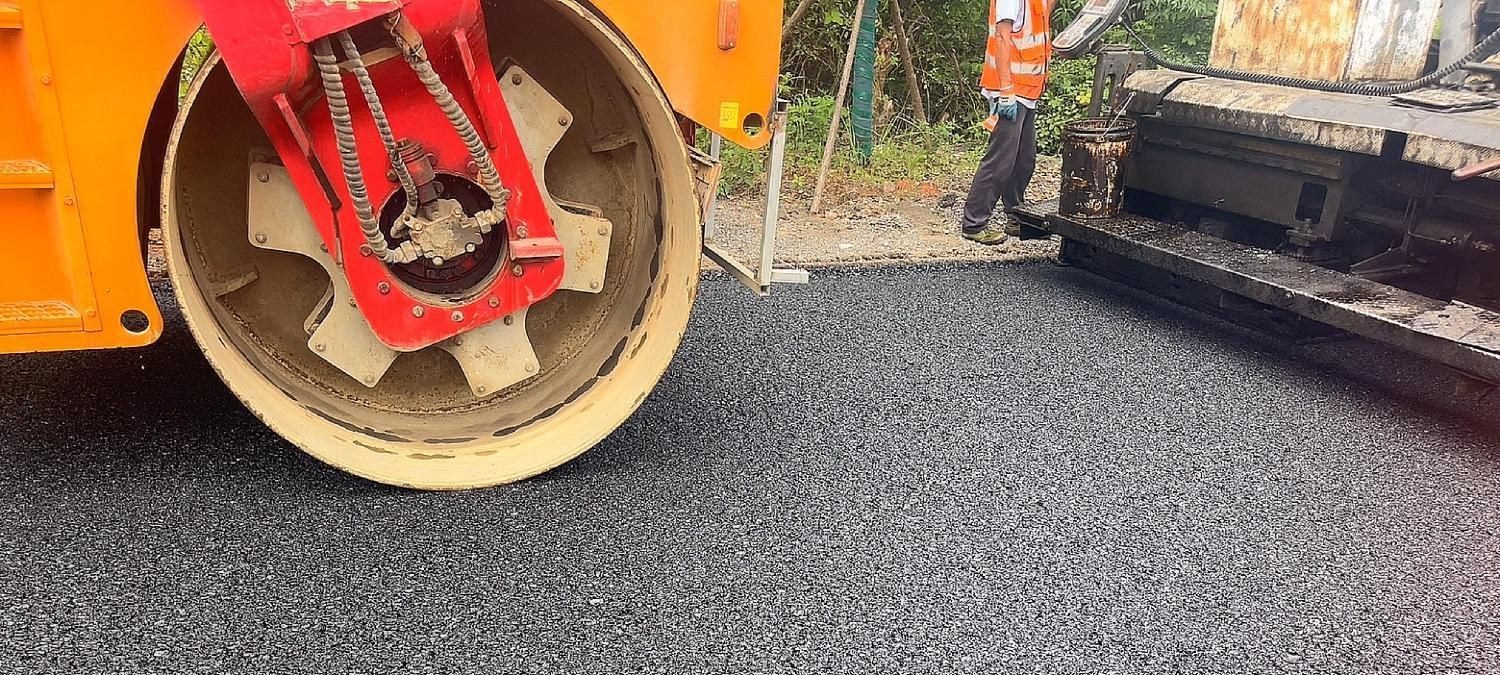
Asphalt rejuvenator is an additive system that restores the rheological balance of aged bitumen recovered from reclaimed asphalt pavement (RAP). The formulation supported by FangService adopts a 3-in-1 approach - it works simultaneously as a warm-mix agent, a performance modifier and a chemical rejuvenator - so that recycled mixes can reach high RAP incorporation without sacrificing workability or long-term durability.
The mechanism rests on molecular de-crystallization and chemical regeneration: targeted agents cleave and depolymerize the brittle oxidized fractions of aged bitumen, while a steric-hindrance resin suppresses re-crystallization and keeps the regenerated binder stable; a latent reactive component then builds a three-dimensional cross-linked network that reinforces the mix structure at medium mixing temperatures of 120-140 C.
Technical parameters
| Product type | 3-in-1 asphalt rejuvenator (warm-mix + modification + rejuvenation) |
|---|---|
| RAP content | >=60% (up to 100% in trials) |
| Mixing temperature | 120-140 C (conventional hot mix 170-190 C) |
| Fatigue life | >=85% of virgin asphalt (under standard testing) |
| Energy consumption | about 30% lower than conventional hot mix |
| Comprehensive cost | 25%-40% lower than conventional hot mix |
| Core mechanism | Molecular de-crystallization + chemical rejuvenation; steric-hindrance resin inhibits re-crystallization |
| Structural enhancement | Latent reactive component forms 3-D cross-linked network |
| Form / dosing | Liquid concentrate, dosed into the mixing process |
| Typical use | Hot / warm recycled asphalt, central-plant and in-place recycling |
| Reference standards | Applicable national / industry standards for recycled asphalt mixtures |
| Appearance | Black liquid |
| Viscosity (25 C) | 280 mPa.s typical (specification <=1000) |
| Flash point | 231 C typical (specification >=220 C) |
| Density (15 C) | 0.96 g/cm3 |
| Saturates content | 22% typical (specification <=30%) |
| Aromatics content | 73% typical (specification >=60%) |
| TFOT/RTFOT viscosity ratio | 1.1 typical (specification <=3) |
| TFOT/RTFOT mass change | 0.9% typical (specification <=3%) |
| Packaging | 25 kg or 1000 kg drums |
Key advantages
Applications
Highway rehabilitation and mill-and-overlay, urban and arterial road resurfacing, airport aprons and taxiways, port and industrial yards, rural road upgrading, and both central-plant and in-place (cold / hot) recycling campaigns.
Manufacturer profile
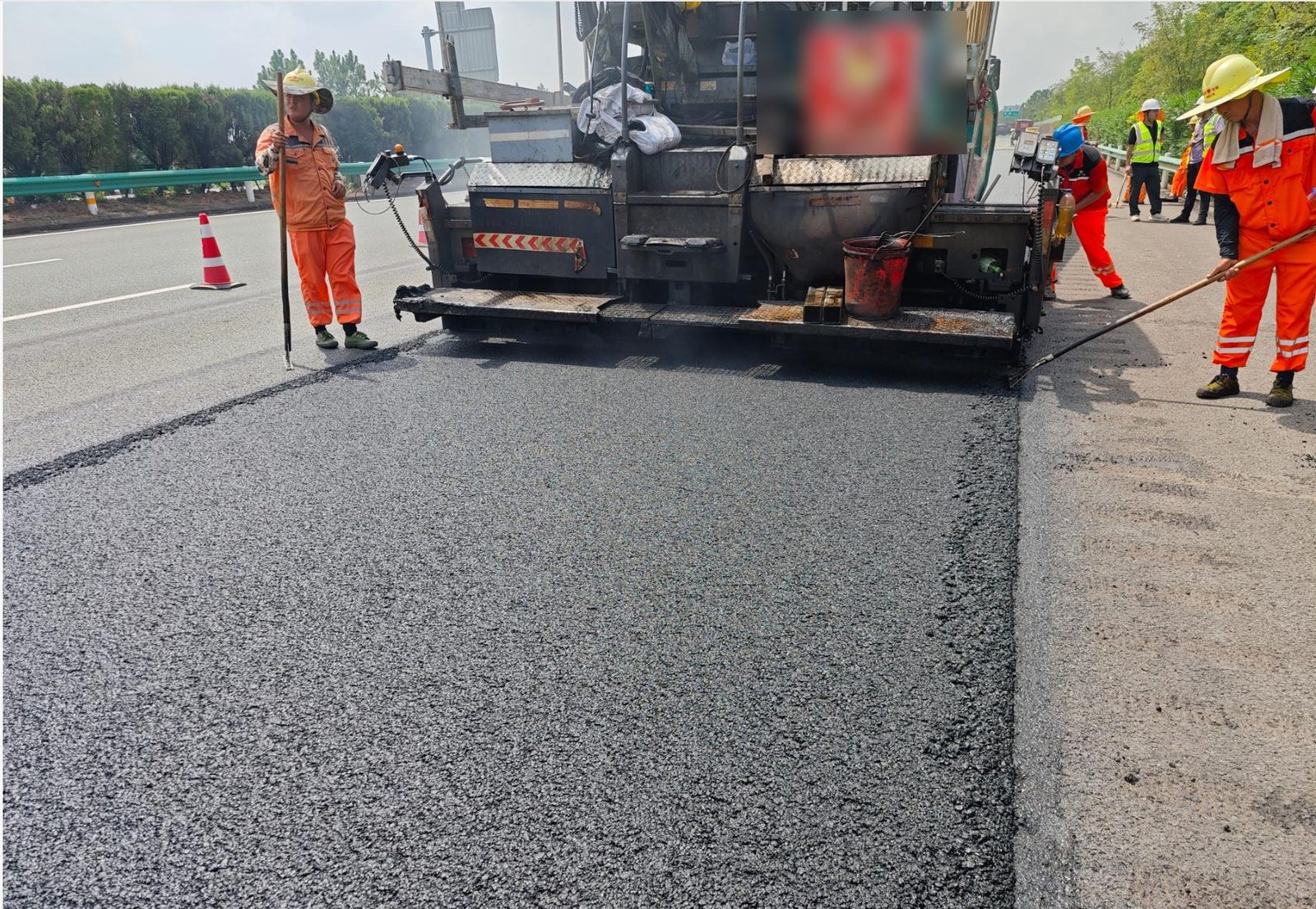
The manufacturer supported by FangService specializes in asphalt recycling additives and warm-mix technologies, and has supplied recycling and rehabilitation projects across expressways and urban road networks.
Want your company and products showcased here to reach international road-construction buyers? Partner with FangService and go global together! Contact us

Need a rejuvenator grade recommendation?
Tell us your mixing process and target properties, and we will match the grade and send a data sheet and quotation.
Get a free quotation