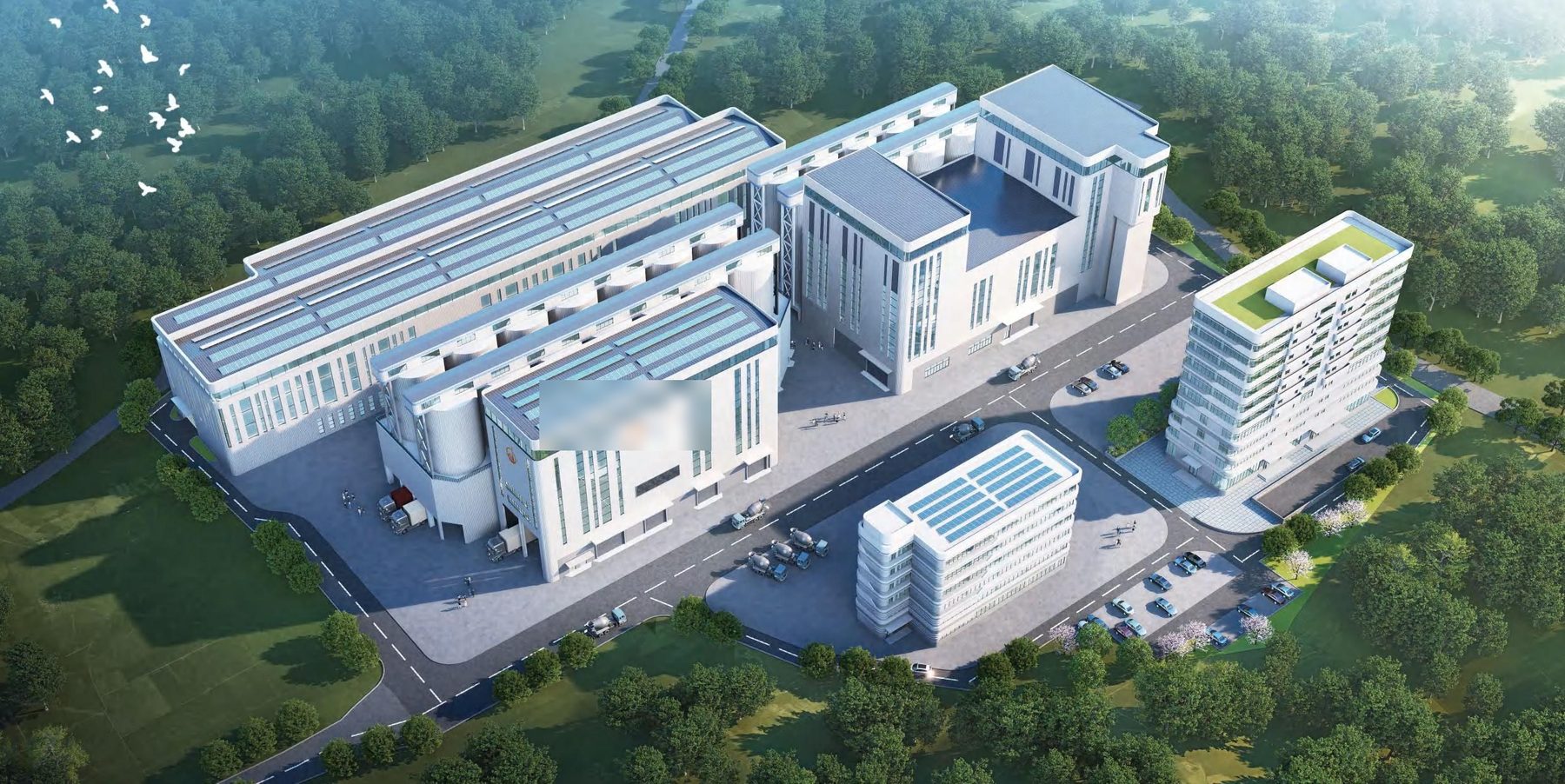
客户提供资料;排名不分先后。
产品概览
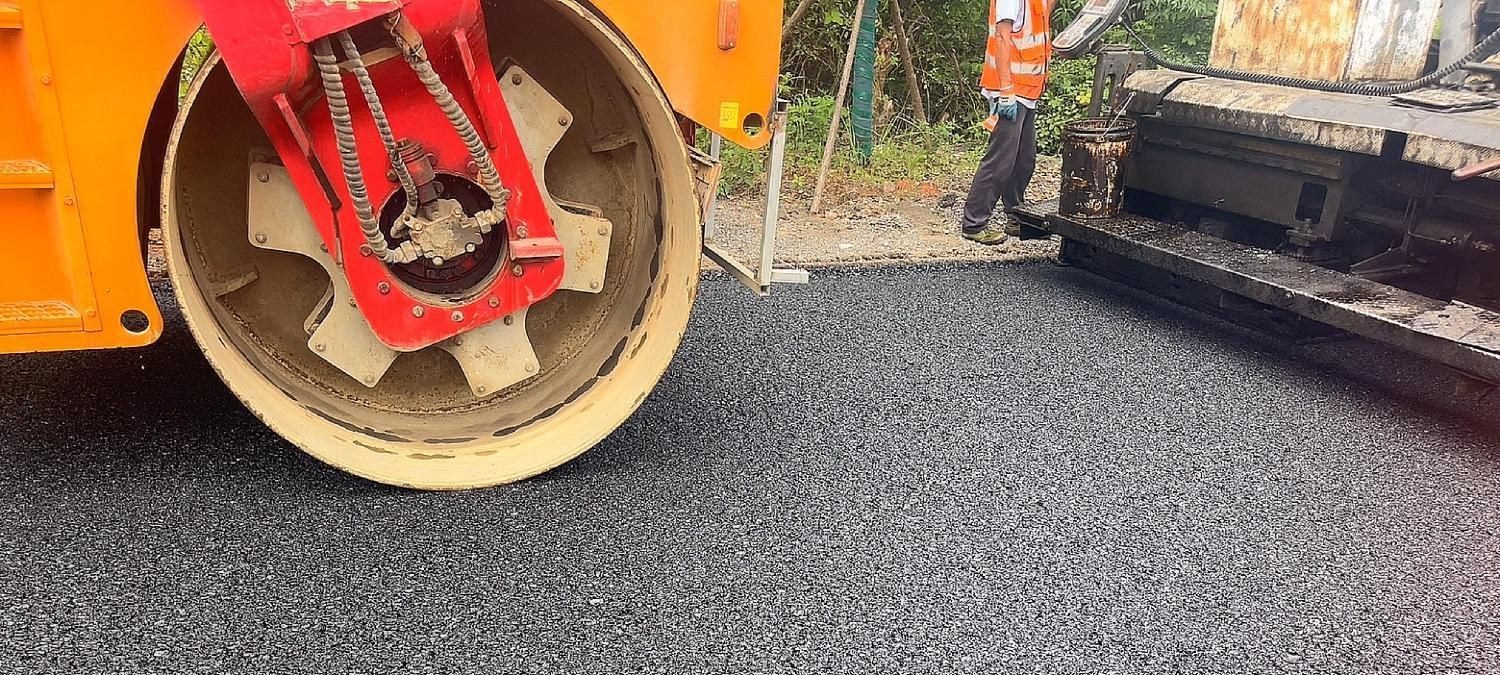
沥青再生剂是一种添加剂系统,可恢复从回收沥青路面(RAP)中回收的老化沥青的流变平衡。FangService 支持的配方采用三合一方式——同时作为温拌剂、性能改性剂和化学再生剂——使再生混合物在不影响工作性或长期耐久性的情况下达到高RAP掺量。
其机理基于分子解结晶和化学再生:靶向试剂切断并解聚老化沥青的脆性氧化部分,而空间位位阻树脂抑制再结晶并保持再生结合剂稳定; latent 反应成分随后构建三维交联网络,在120-140 C的中等拌和温度下强化混合物结构。
技术参数
| Product type | 3-in-1 asphalt rejuvenator (warm-mix + modification + rejuvenation) |
|---|---|
| RAP content | >=60% (up to 100% in trials) |
| Mixing temperature | 120-140 C (conventional hot mix 170-190 C) |
| Fatigue life | >=85% of virgin asphalt (under standard testing) |
| Energy consumption | about 30% lower than conventional hot mix |
| Comprehensive cost | 25%-40% lower than conventional hot mix |
| Core mechanism | Molecular de-crystallization + chemical rejuvenation; steric-hindrance resin inhibits re-crystallization |
| Structural enhancement | Latent reactive component forms 3-D cross-linked network |
| Form / dosing | Liquid concentrate, dosed into the mixing process |
| Typical use | Hot / warm recycled asphalt, central-plant and in-place recycling |
| Reference standards | Applicable national / industry standards for recycled asphalt mixtures |
| Appearance | Black liquid |
| Viscosity (25 C) | 280 mPa.s typical (specification <=1000) |
| Flash point | 231 C typical (specification >=220 C) |
| Density (15 C) | 0.96 g/cm3 |
| Saturates content | 22% typical (specification <=30%) |
| Aromatics content | 73% typical (specification >=60%) |
| TFOT/RTFOT viscosity ratio | 1.1 typical (specification <=3) |
| TFOT/RTFOT mass change | 0.9% typical (specification <=3%) |
| Packaging | 25 kg or 1000 kg drums |
核心优势
高RAP掺量>=60% reclaimed asphalt reuse as standard, up to 100% in trials, conserving virgin bitumen and aggregate and reducing quarry demand.
低温低碳在120-140 C而非170-190 C下拌和,燃料和能耗降低约30%,降低工艺排放。
恢复与稳定性能Fatigue life reaches >=85% of virgin asphalt; the steric-hindrance resin prevents re-crystallization so rejuvenated binder stays stable in storage and service.
经济高效且适用性广综合成本比传统热拌低25%-40%,且添加剂可在无需重大改造的标准沥青拌和站使用。
应用场景
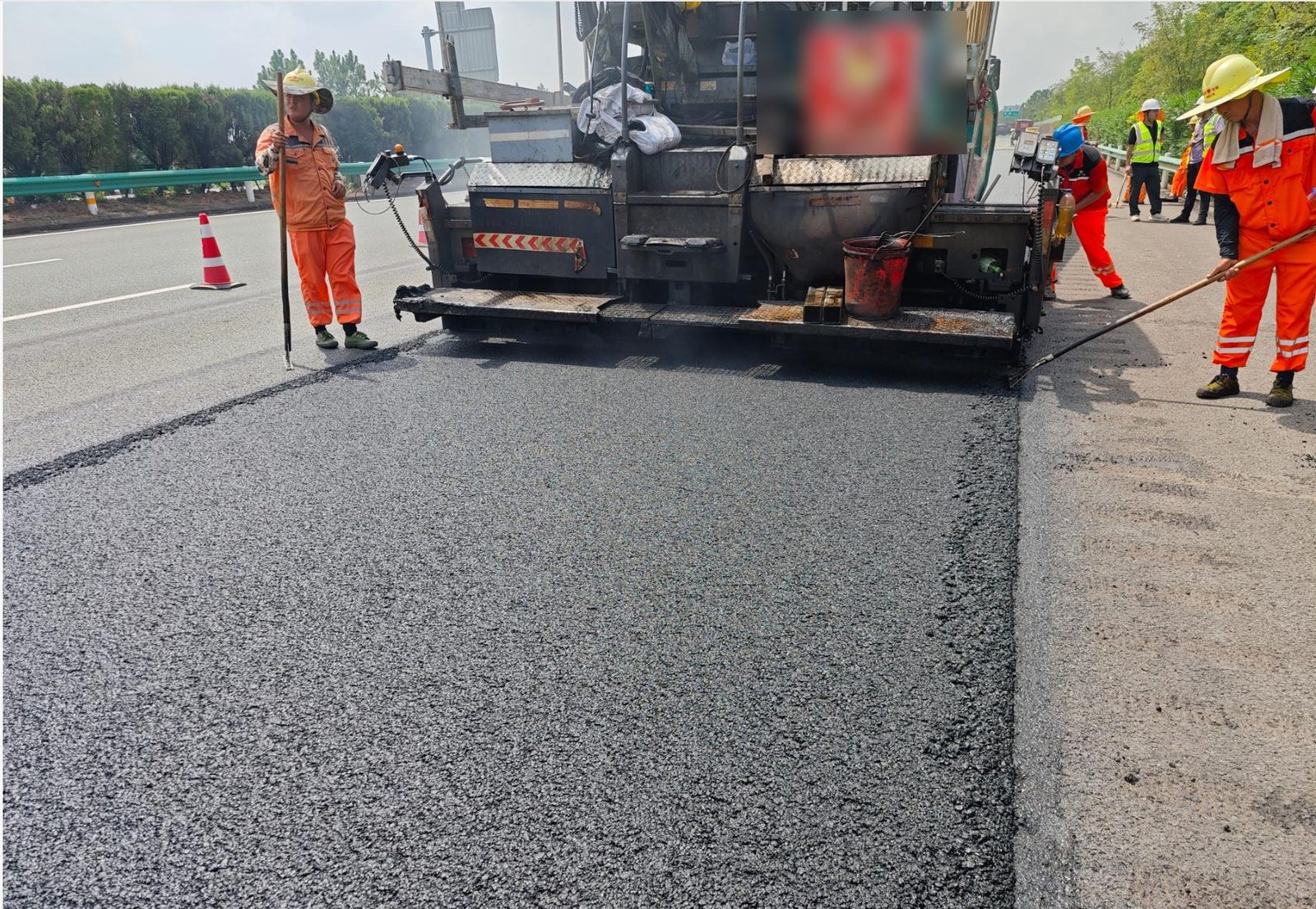
公路 rehabilitation 和铣刨加铺、城市和主干道重铺、机场停机坪和滑行道、港口和工业堆场、乡村道路升级,以及集中厂拌和就地(冷/热)再生工程。
制造商简介
FangService 支持的制造商专注于沥青再生添加剂和温拌技术,已为高速公路和城市路网的再生和修复项目供货。
希望贵公司和产品在此展示以触达国际道路建设买家?与 FangService 合作,共同走向全球!联系我们