Bwebwenato
May 20, 2025
Temperature is the key variable behind both cost and carbon in recycled asphalt. Bringing mixing temperature down from the hot-mix range often yields immediate savings.
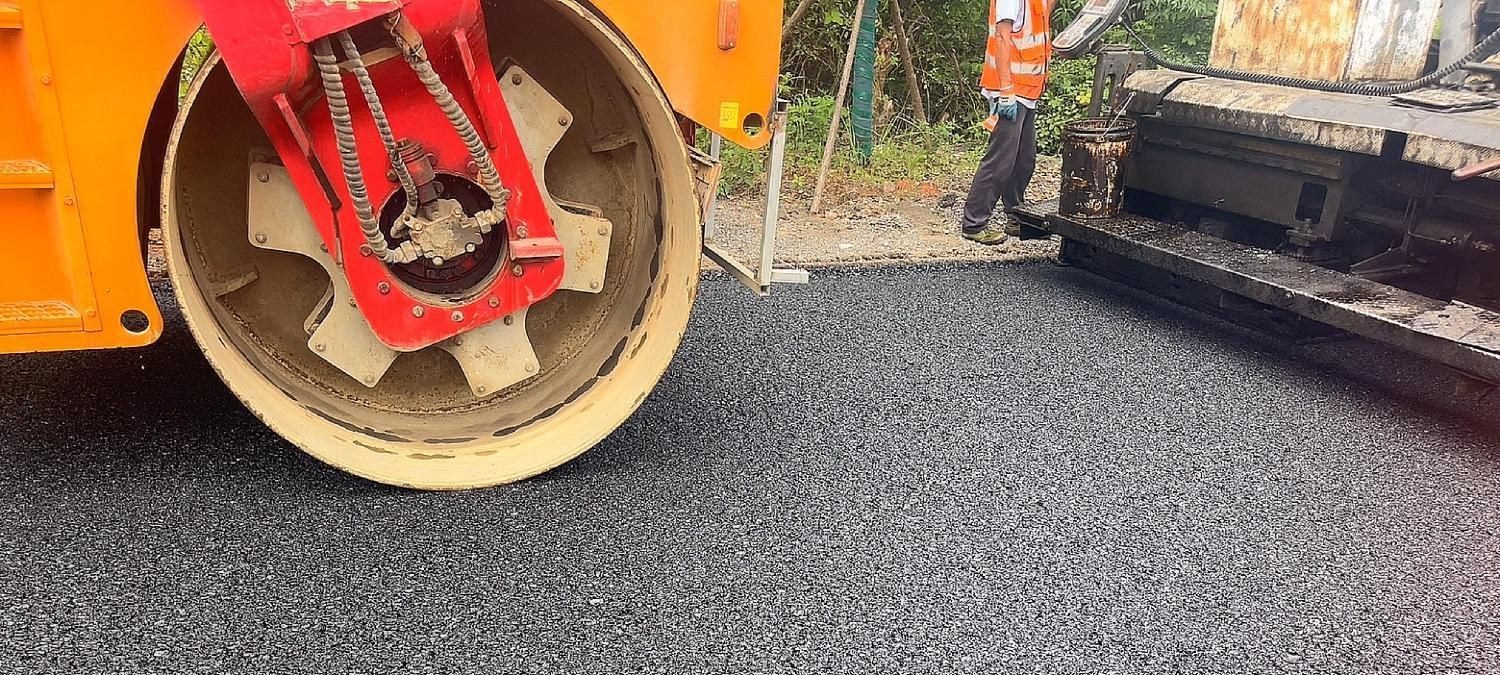
Hot-mix baseline (170-190 C)
Conventional hot-mix recycling completes mixing at 170-190 C to ensure coating and compaction. The high temperature drives higher fuel use and fumes, and is harder on crews.
Warm-mix recycling (120-140 C)
With a warm-mix rejuvenator, mixing proceeds at 120-140 C while workability and compaction still meet requirements, cutting energy by about 30%.
The energy and emission math
Each drop of 30-50 C in mixing temperature visibly lowers fuel and electricity use, and the corresponding emissions fall in step - significant when scaled across maintenance programs.
Field considerations
After cooling, pay attention to temperature retention during transport and paving; plan haul distance and compaction well to keep field air voids and smoothness on target.
Planning a warm-mix recycling project?
Tell us your plant and climate, and we will suggest a dosing and temperature window. See the product page or contact us.
Explore the product